Supporters call the code a choice. In practice the person who chooses is often the husband, and the woman living under it has few ways to refuse, leave or ask a court for protection. This is our reading of the code's articles, the amending law and the one court ruling we have found. Claims about Iraq's other laws come from the bodies we name.
A husband can choose for his wife
The amending law lets one spouse apply for the code. In decision 17/2025 the Federal Court of Cassation held that a husband's request binds his wife and their children even when she does not agree, and even after the marriage has ended. Human Rights Watch reports that a husband can move a marriage contract under the code without his wife's knowledge. In that case the husband used the code to ask a court to remove the mother's custody of two children born in 2014 and 2017. The court reversed the lower court and said that after the age of seven a father's right to custody cannot be disputed unless he is shown to be unfit.
Custody follows a birthday
Under Law No. 188, Article 57 tells the court to weigh the child's interest, lets a remarried mother keep her child, and lets the court extend custody to 15. The code sets one rule. The mother has the child until seven, then the father (Article 81), and a mother who marries again loses custody (Article 83). The code does let a court take a child from a custodian who exposes the child to repeated violence, but only after someone sues and only if the custodian ignores a court order to change (Article 86). A mother leaving a violent husband has to prove the violence in court while the child's age is already deciding who gets the child.
Divorce is the husband's act
A man ends a marriage by saying so in front of two witnesses. His wife does not have to agree, and she does not have to be told (Articles 108, 122 and 126). A woman cannot end the marriage herself. A judge can divorce her only in three listed situations, and only with the approval of the senior Shia religious authority (Articles 73 and 74). A wife in an abusive marriage therefore depends on a cleric who never meets her. Article 72 covers a husband who beats his wife: she may ask a judge to order him to treat her properly, and if he refuses the judge can divorce her at her request. The article says "without justification", which leaves a husband room to argue that his violence was justified, and it sets no penalty.
The code puts duties on wives and none on the law
A wife must make herself available to her husband for sex unless she has an excuse such as illness (Article 65). She may not leave the home without his permission except for urgent needs, and a wife who does loses her right to maintenance (Articles 65 and 68). The articles we read say nothing against forced sex in marriage. Iraq has no domestic violence law, as Human Rights Watch has said for years, so a woman hurt at home has no specific law to use. Human Rights Watch and UNFPA also report that Articles 128 and 409 of the Penal Code let courts treat "honourable motives" as a mitigating excuse.
Girls have the weakest protection
The marriage chapter sets no minimum age. Article 18 gives a father or grandfather authority over the marriage of a child who is not legally competent and asks only that there be no harm. It states no age, and it leaves the first judgment of harm with the guardian who wants the marriage. The only age limit sits in Article 8 of Law No. 188. The amending law says the code may not go below it, but the code does not repeat it. According to UNICEF figures cited by Human Rights Watch, 28 percent of girls in Iraq already marry before 18. In February 2026 the UN committee that monitors the women's rights convention, CEDAW, told Iraq it had very serious concern about the 2025 changes.
A religious council fills the gaps
Where the code is silent, courts must ask the scientific council of the Shia Endowment for its opinion and adopt it (Law No. 1 of 2025, article 1(g)). The same council wrote the code, from the views of Jaafari jurists and, where they differ, the majority of senior clerics in Najaf. Parliament had 30 days to approve it once it arrived. The law does not require the council to consult women or women's groups, and no voter can remove its members.
What courts have done so far
We have found one ruling, decision 17/2025, and it backed the husband's choice and applied the age-seven custody rule. Rights groups expect more cases. If you have been through one, or know of one, tell us and we will add what the courts decide.
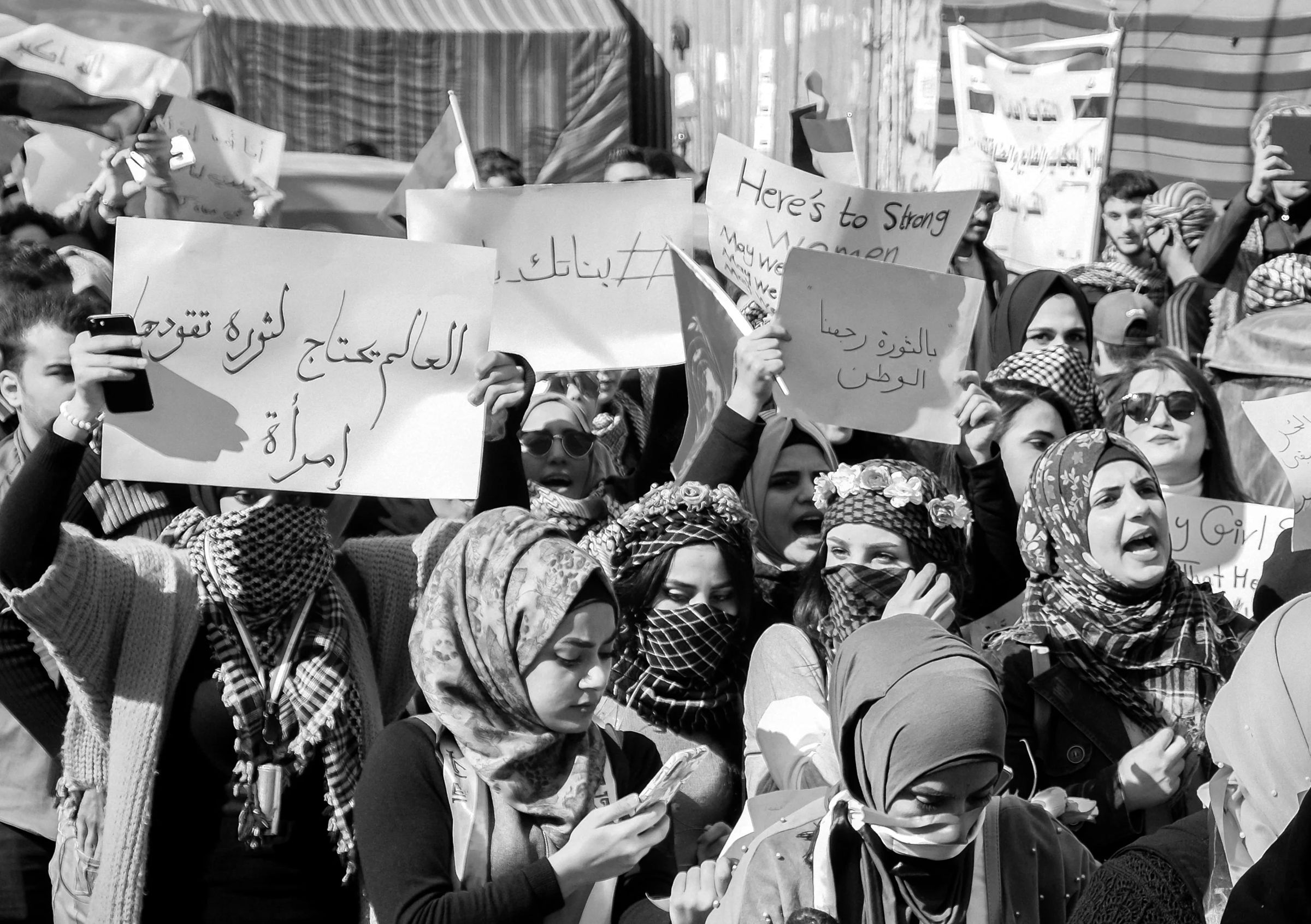
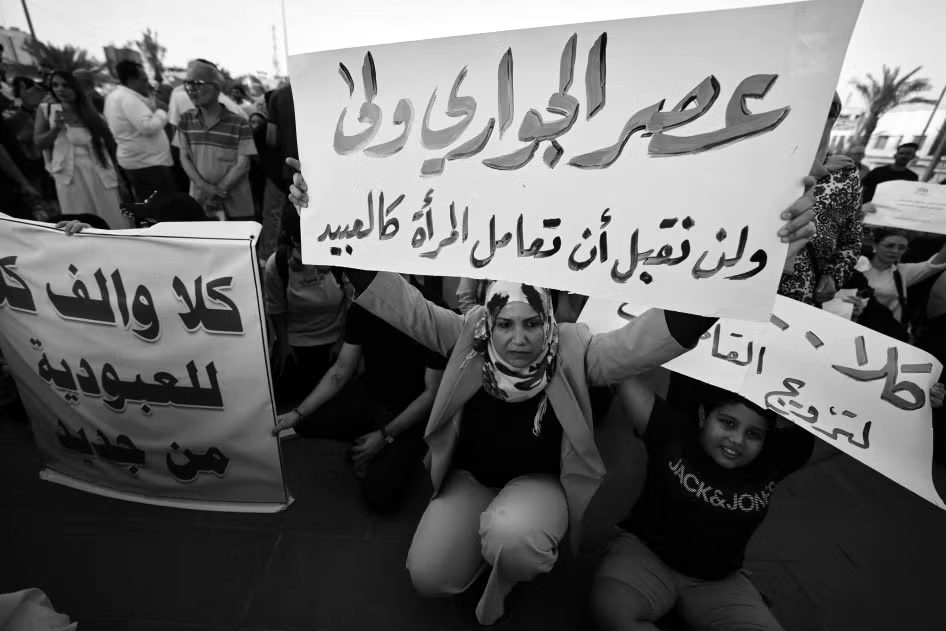




Seen on social media
Posts and videos about the Jaafari law and what it means for women.